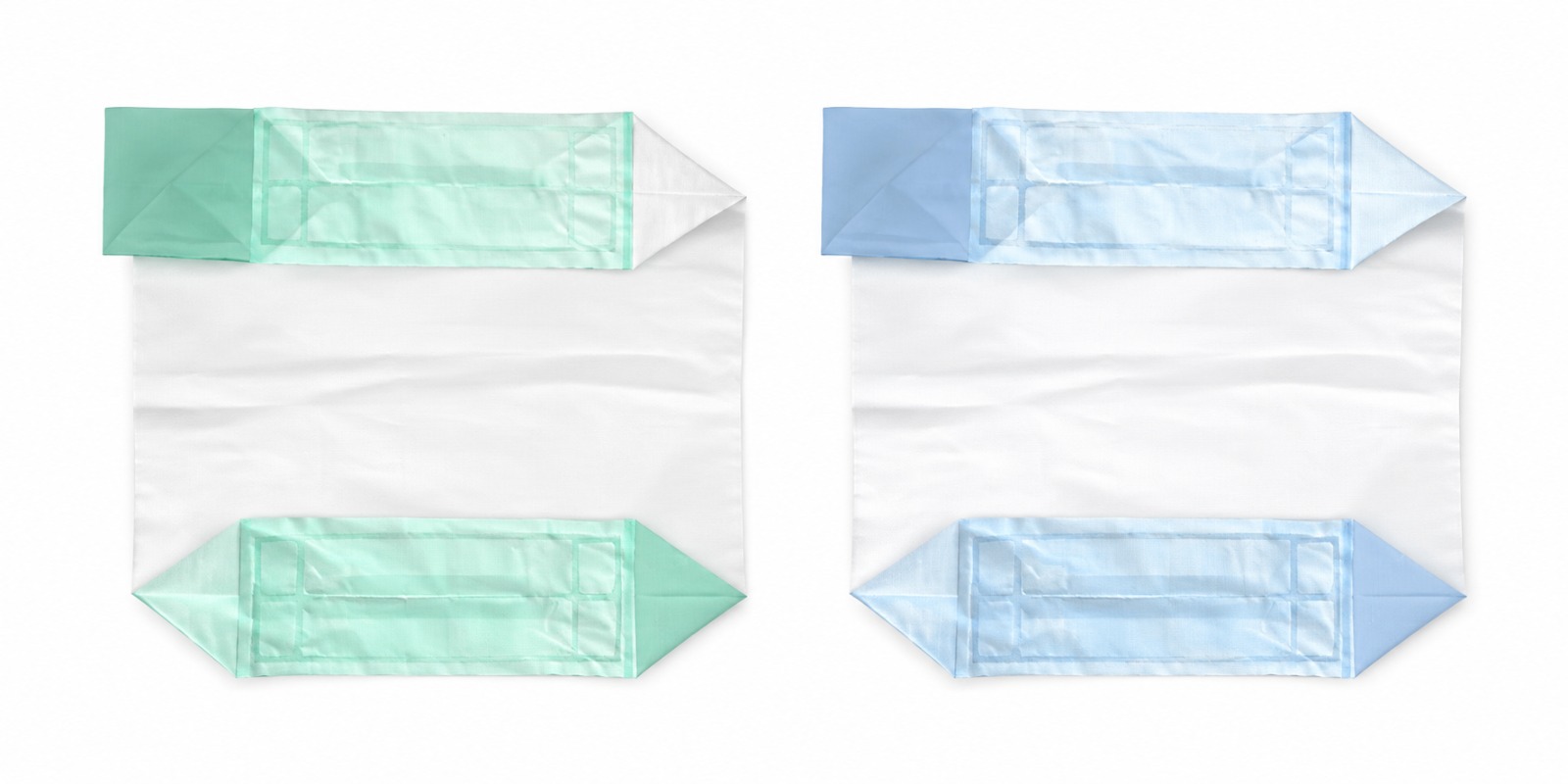
Choosing the right packaging material plays an important role in product protection, transportation efficiency and overall brand presentation. Industries such as agriculture, food ingredients, fertilizers, chemicals and construction materials require packaging that can handle demanding storage and handling conditions.
Two commonly used packaging options are PP woven bags and paper bags. While both have their own advantages, understanding their differences helps businesses select the right solution based on their product requirements.
What Are PP Woven Bags?
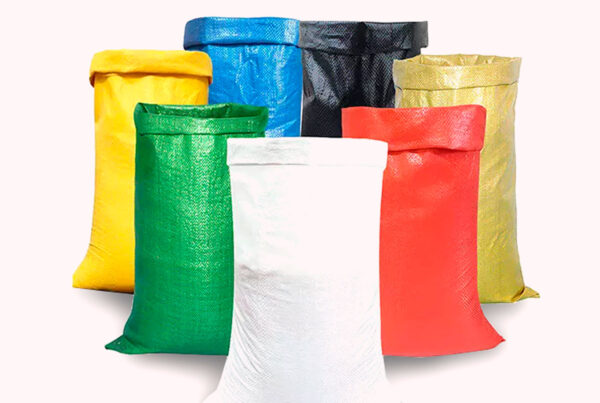
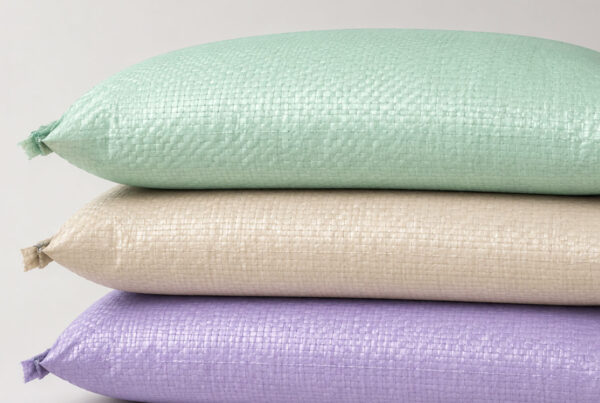
PP woven bags are manufactured using polypropylene tapes that are woven together to create a strong and durable fabric structure. These bags are widely used across industries due to their excellent strength, flexibility and resistance to handling damage.
PP woven bags are commonly used for:
- Agricultural products
- Fertilizers
- Animal feed
- Food ingredients
- Chemicals
- Construction materials
They can also be customized with printing, lamination, gussets, liners and various finishing options.
What Are Paper Bags?
Paper bags are packaging solutions made from kraft paper layers. They are commonly used for products where a paper-based appearance or certain sustainability requirements are preferred.
Paper bags are generally used for:
- Cement
- Dry powders
- Food products
- Retail packaging
They provide good printability and a natural appearance but have limitations when exposed to moisture and rough handling conditions.
PP Woven Bags vs Paper Bags: Key Differences
| Feature | PP Woven Bags | Paper Bags |
| Strength | High tensile strength and tear resistance | Lower strength compared to woven bags |
| Moisture Protection | Better resistance, especially with lamination | Requires additional coating |
| Durability | Suitable for heavy handling and transportation | More prone to damage |
| Reusability | Can be reused multiple times | Limited reuse |
| Storage Life | Longer shelf life | Lower durability |
| Printing Options | High-quality flexo and laminated printing | Good printing capability |
| Customization | Multiple options like gussets, liners and handles | Limited customization |
Advantages of PP Woven Bags
- Superior Strength
PP woven bags are designed to handle heavy products and rough transportation conditions, making them suitable for bulk packaging applications.
- Better Product Protection
With options like lamination and liners, woven bags provide improved protection against moisture, dust and external exposure.
- Excellent Branding Opportunities
Modern PP woven bags can be customized with high-quality printing, allowing brands to improve product visibility and market presence.
- Cost-Effective Packaging
Their durability and longer service life make PP woven bags an economical choice for many industries.
Which Industries Prefer PP Woven Bags?
Agriculture: Used for rice, wheat, seeds, maize and pulses.
Animal Nutrition: Used for cattle feed, poultry feed and pet food.
Fertilizers: Used for fertilizers, micronutrients and agrochemical products.
Chemicals & Industrial Products: Used for powders, minerals and industrial materials.
Why Businesses Choose PP Woven Bags Over Paper Bags
For industries where durability, transportation strength and product protection are important, PP woven bags provide a more reliable packaging solution.
They offer:
- Higher strength
- Better protection
- More customization options
- Longer product life
- Better performance in challenging environments
Conclusion
Both PP woven bags and paper bags have their own applications. However, for industries requiring durable, reliable and customizable packaging solutions, PP woven bags provide significant advantages.
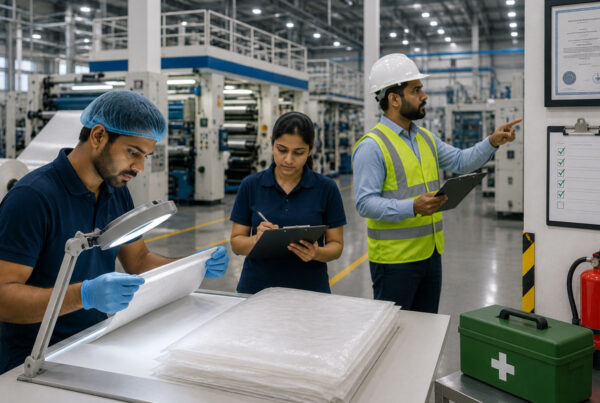
At Asian Print Pack, we manufacture high-quality PP woven packaging solutions designed to meet the requirements of various industries with customized printing, finishing and construction options.